Botafogo de Futebol e Regatas isn't just a football team;it's a Rio de Janeiro institution with a history as rich and turbulent as the city itself. Founded in 1904 as a rowing club, Botafogo quickly embraced football and became one of Brazil's earliest football powers. The club's golden era in the 1950s and 60s produced legends like Garrincha。Nilton Santos, and Didi—players who defined Brazilian football's artistry. That legacy still echoes in the club's DNA, even as Botafogo has weathered decades of financial struggles and relegation battles.What makes Botafogo fascinating is its paradoxical identity. The club is known for its loyal, long-suffering fanbase—the "Estrela Solitária" (Lone Star) symbolizing a solitary star shining in the night sky. Yet, despite periods of mediocrity。Botafogo has always been a talent factory. Recent years have seen the rise of players like Luiz Henrique and Matheus Nascimento, sold to European clubs for hefty sums. The club's youth academy remains a cornerstone, producing technically gifted players who embody the club's traditional flair. But financial mismanagement has often forced Botafogo to sell its crown jewels prematurely, a cycle that frustrates fans to no end.The 2024 season marked a turning point. Under the ownership of American businessman John Textor, Botafogo splashed cash on signings like Thiago Almada and Luiz Henrique (yes。
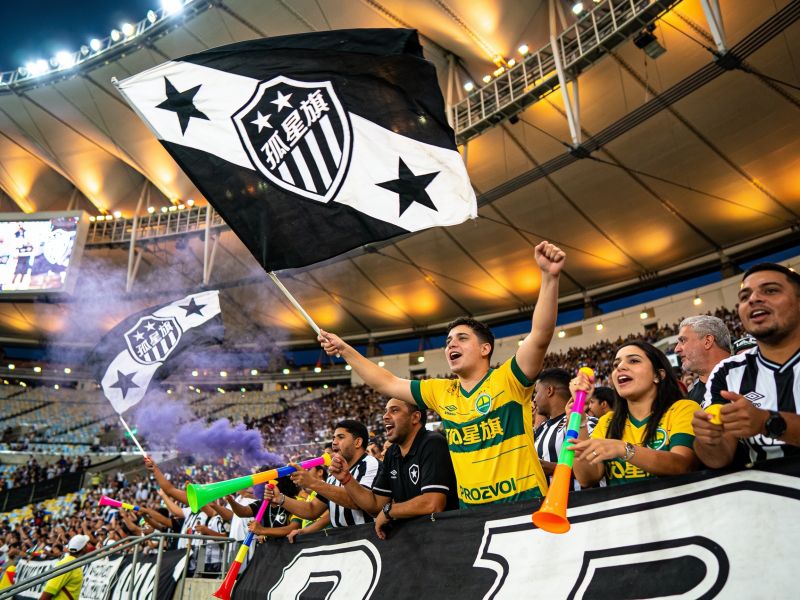
he returned), transforming the squad into title contenders. The club's triumphant campaign in the Copa Libertadores and Brasileirão wasn't just about money—it was about finally converting potential into silverware. I watched the Libertadores final in a packed bar in Botafogo, and the eruption of joy when they lifted the trophy was something else. Years of pain melted away in that moment. Textor's investment, combined with a smart coaching appointment (Artur Jorge), gave Botafogo a spine it had lacked for decades.But success brings new challenges. Botafogo now faces the pressure of sustaining that level, especially with key players attracting European interest. The club's stadium, Estádio Nilton Santos。
is a modern facility, but matchday atmosphere can be inconsistent—sometimes electric, sometimes flat. The fanbase, however, remains the club's heartbeat. They sing, they suffer, they celebrate with equal intensity. That's Botafogo: a club that refuses to be defined by its lows, always chasing that solitary star.Looking ahead, Botafogo's project under Textor seems ambitious, but Brazilian football's chaotic landscape demands caution. The 2024 success was built on a mix of investment and unity, but repeating it requires stability. For now, though, Botafogo fans can bask in glory—a rare feeling for a club so often associated with near-misses. And that, perhaps, is the essence of Botafogo: a constant dance between heartbreak and hope。with the Lone Star always guiding the way.